Small Space Organization Hacks: 6 Systems That Stick

In this article
- 1. Zones first, bins second
- 2. Go vertical
- 3. Use the space under things
- 4. Buy furniture that stores
- 5. Put doors and backs to work
- 6. The 10-minute reset
- What it costs: budget bands
- Small space organization mistakes to avoid
- Frequently asked questions
- How do I organize a small space with no storage?
- What is the first step to organizing a small space?
- How do I keep a small space organized?
- Where should I start organizing?
- Do I need to buy organizers?
Small space organization hacks fail when they start with shopping. A bin holds clutter just as politely as it holds treasure — the system has to come first. The method below borrows its shape from the 5S workplace system: sort, set in order, shine, standardize, sustain — five simple organizing principles designed around daily flow. This is the whole-home version: not the closet (we covered that in our small closet organization ideas), not rental decorating (see how to decorate a rental), and not the space under the stairs (see under-stairs storage ideas). Just six hacks that work in any small room, with nothing to buy first.
1. Zones first, bins second
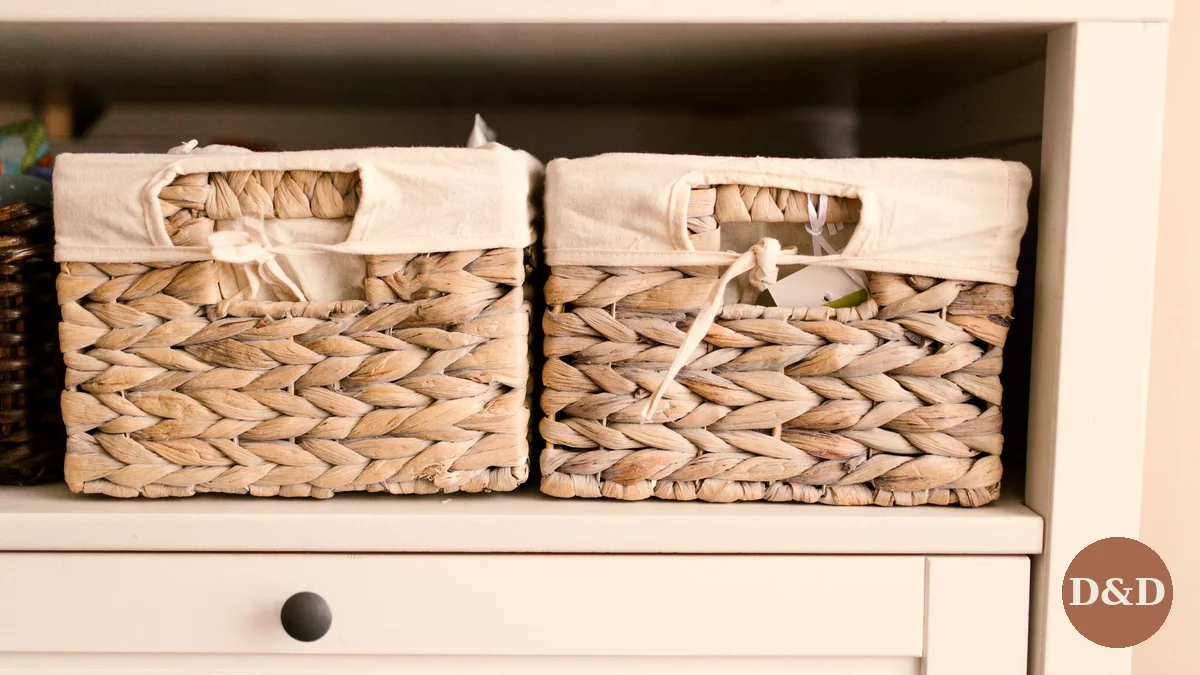
The idea: a zone is an area with one job. The two matching woven baskets in the photo aren’t labelled — they don’t need to be, because each basket belongs to one shelf, one job. That’s the whole trick: the container fits the zone, not the other way round.
How to do it: name each zone before you buy anything: entryway = landing pad for keys, shoes, and bags. Nightstand = sleep essentials only. Then measure the shelf before buying the bin — count the items first, choose the container second. One in, one out from now on: a new pair of shoes means one pair leaves.
2. Go vertical
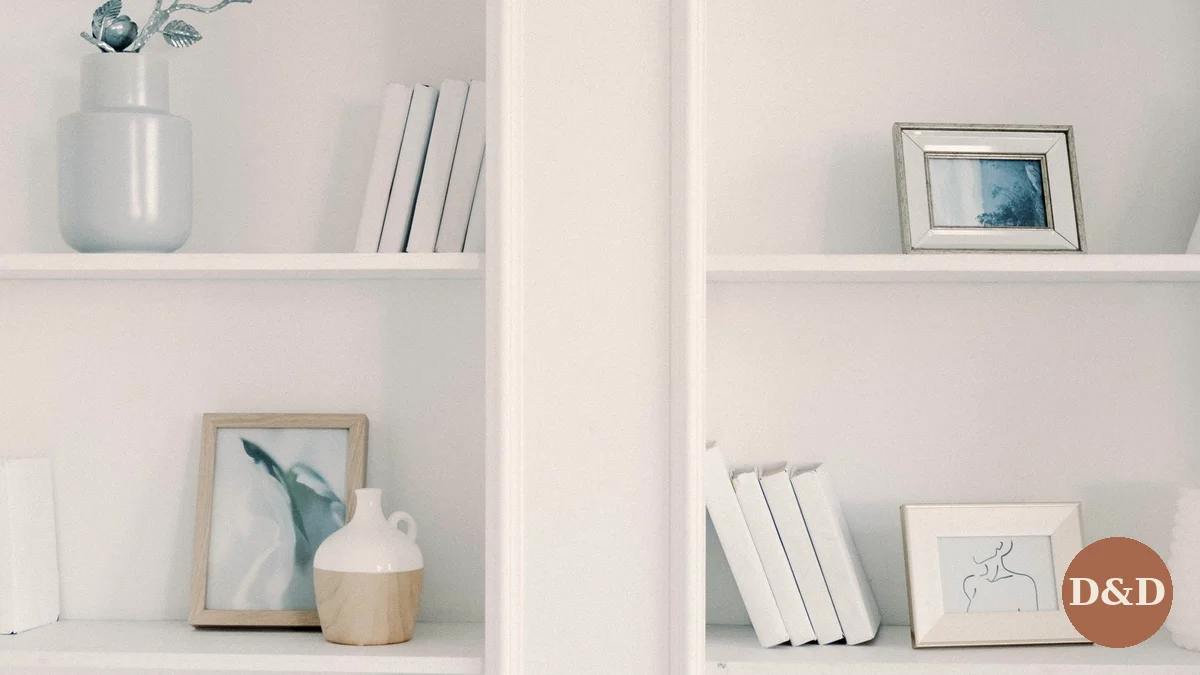
The idea: walls are free floor space. The tall white shelves in the photo hold books, vases, and framed art — vertical storage that doesn’t need a single bin. In a small room, the wall above eye level is the most underused square footage you own.
How to do it: hang shelves near the ceiling — above furniture or doors — for books, framed pictures, and things you don’t need daily. Use pegboard or magnet strips in the kitchen and craft corners. Anchor tall shelving to the wall: safety guidance from the U.S. Consumer Product Safety Commission says to anchor bookcases and dressers securely to the wall.
3. Use the space under things

The idea: the space under the bed is the biggest storage you already own. The bed in the photo has drawers built into its base — two of them pulled open, folded things inside. Built-in drawers beat slide-in bins: they roll out, they don’t collect dust, and they never slide out of reach.
How to do it: if your bed has no drawers, measure the clearance under it first — then buy flat bins that actually fit, with lids. Keep only off-season or rarely-used things under the bed: spare bedding, winter coats, gift wrap. If you have to crawl for it daily, it lives in the wrong place.
4. Buy furniture that stores
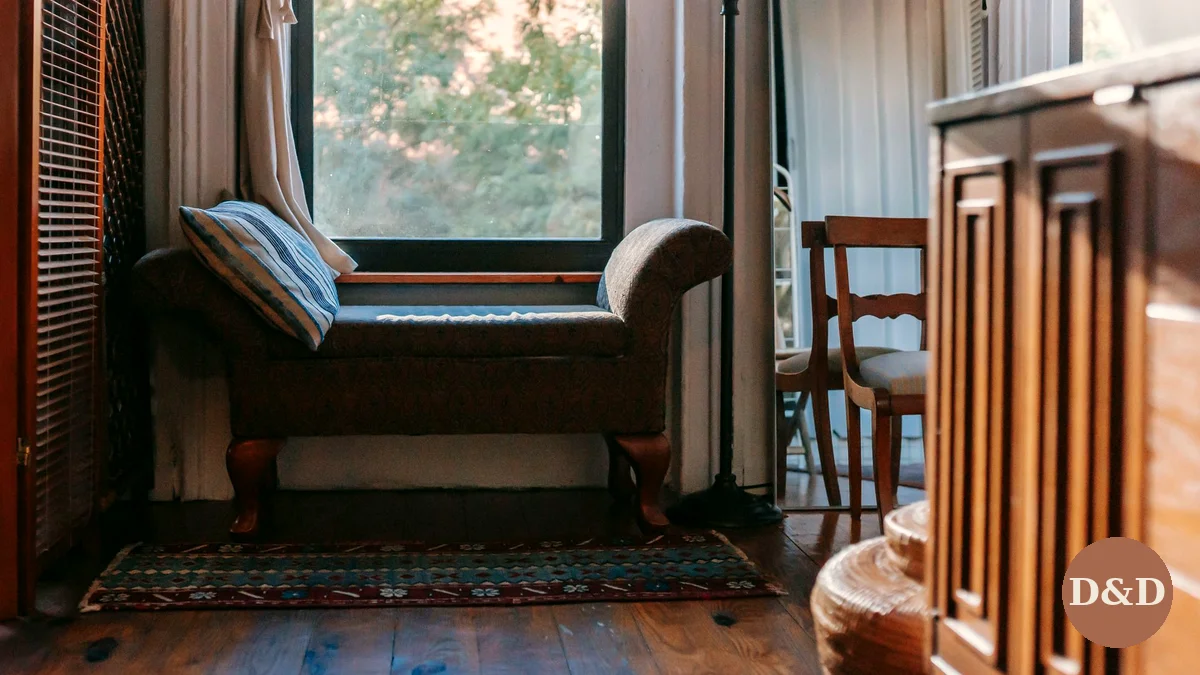
The idea: in a small space, every piece of furniture should do two jobs. The bench under the window in the photo is the kind to pick: one with storage under the seat. Its lid is closed here, but the shape is the point — a bench that only seats is a wasted box.
How to do it: shop for the storage, not the look: an ottoman with a lift-up seat, a bench with a hinged lid, a coffee table with a shelf. Sit on it first — storage furniture that is uncomfortable to use gets ignored. And keep the inside to one category per piece, or it becomes a junk drawer with legs.
5. Put doors and backs to work
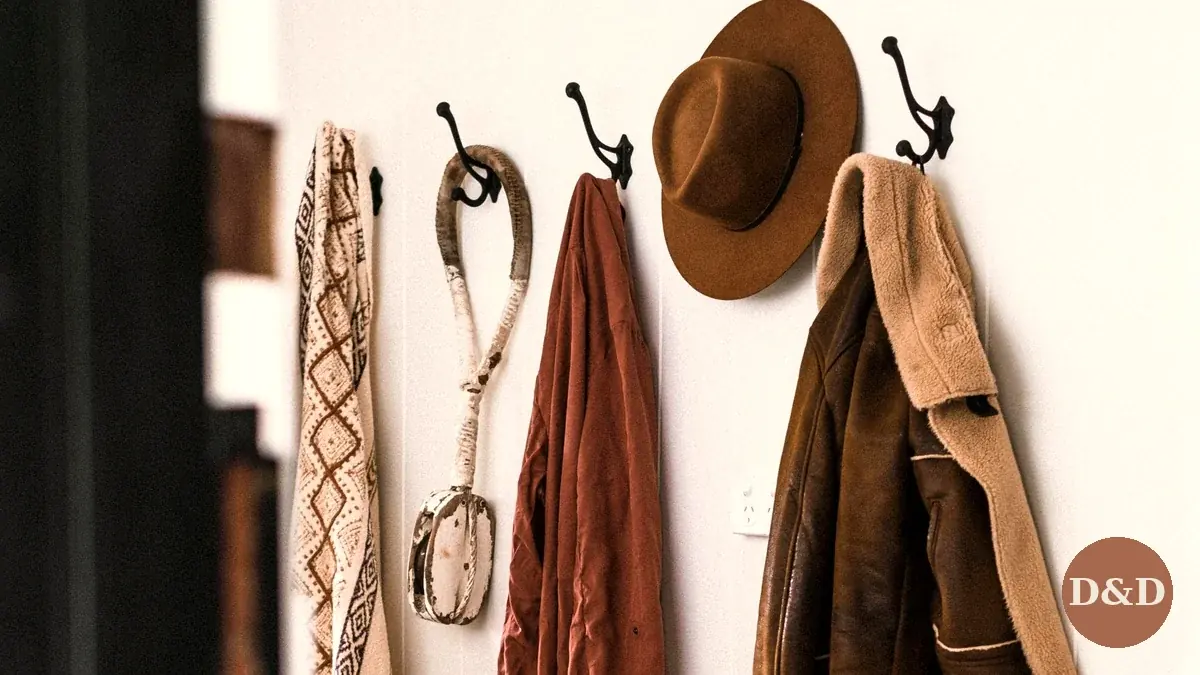
The idea: doors are storage you already paid for. The wall hooks in the photo hold a hat, a jacket, and a bag — each with its own hook, none of them on the floor. An over-the-door rack or a row of hooks ends the “where are my keys” era for the price of a few screws.
How to do it: one hook by the door for keys, tomorrow’s jacket, and the bag. Over-the-door racks for shoes, cleaning supplies, or pantry items. A towel rod on the inside of a cupboard door for cleaning sprays. In a rental, use removable hooks — no holes, no deposit risk.
6. The 10-minute reset
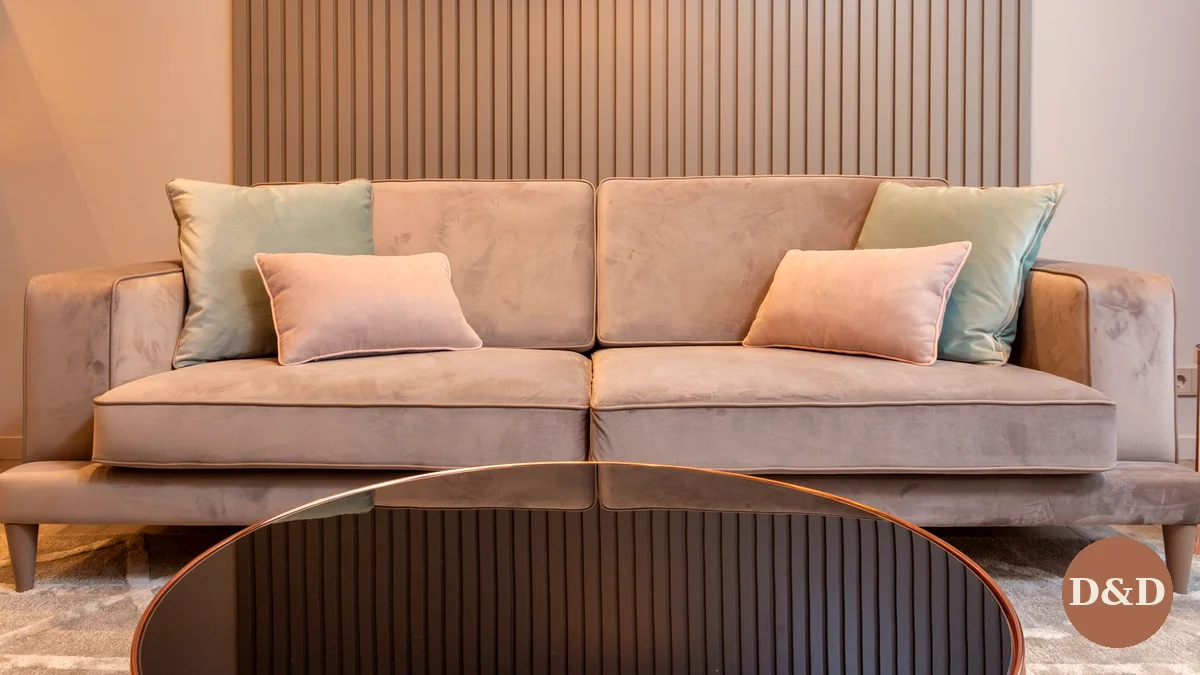
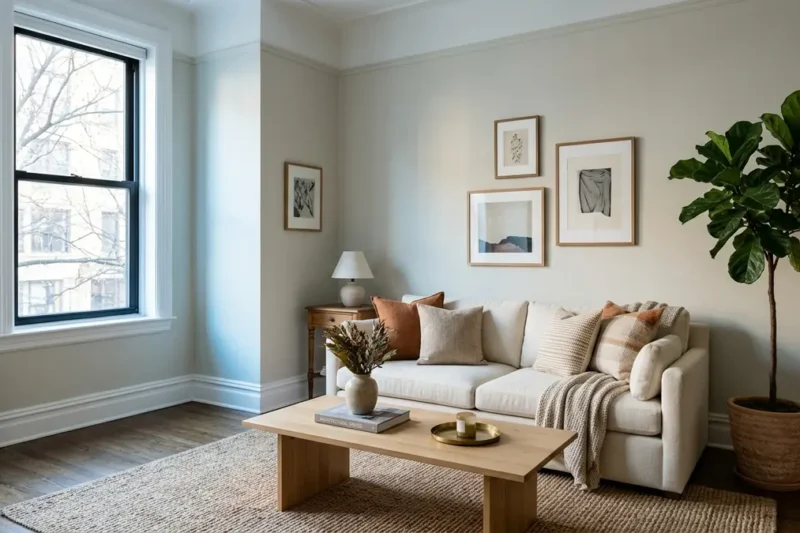
The idea: organization isn’t a project; it’s a habit with a small daily price. The coffee table in the photo is completely clear — that’s the reset. Every evening, set a timer for ten minutes and return everything to its zone. One clear surface changes how the whole room feels.
How to do it: start with the surface you see most: the kitchen counter, the nightstand, the coffee table. Clear it completely, every night. Once a season, do a 30-minute purge pass through one zone — small spaces don’t need spring cleaning, they need fifteen minutes of honesty, four times a year.
What it costs: budget bands
Plan by band, not by item — and buy containers only after the zones are set:
| Band | What your money buys |
|---|---|
| Under $25 | A row of hooks and a tension rod — the two cheapest hacks in this article |
| $25–$75 | Flat under-bed bins with lids, or a set of matching baskets for one zone |
| $75+ | A storage ottoman or bench, or a tall anchored shelving unit |
Start at the bottom band. Hooks, a tension rod, and the bins you already own cover the first three hacks — and a clear coffee table costs nothing at all.
Small space organization mistakes to avoid
Buying bins before zones. A bin holds clutter just as politely as treasure. Name the zone first, then measure the shelf, then buy the container.
Storing things in the wrong place. If you crawl for it daily, it lives in the wrong place. Daily things at arm height, seasonal things under the bed.
Filling every surface. Leave 20–30% of every surface and floor area deliberately empty — the room needs breathing room, and a full surface reads as clutter even when it’s tidy.
Tall shelves without anchoring. Anchor bookcases and dressers to the wall. A loaded shelf in a small room is a tipping risk, not just a storage win.
The closet trap. This article is whole-home; the closet has its own system. Don’t try to fix the whole house by reorganizing one closet — see our small closet organization ideas for that room alone.
Frequently asked questions
How do I organize a small space with no storage?
Start with zones and vertical space: walls, doors, and the area under furniture. Over-the-door racks, wall hooks, vertical shelving, and under-bed drawers add storage without adding furniture.
What is the first step to organizing a small space?
Sort first. Four boxes: Keep, Donate, Trash, Relocate. Pull everything out of one zone, sort every item, and only then buy containers — the container fits the zone, not the other way round.
How do I keep a small space organized?
The 10-minute reset every evening, plus one in, one out: when something new comes in, something old goes out. And a 30-minute purge pass through one zone, once a season.
Where should I start organizing?
The messiest spot first — the visible win keeps you going. Or the surface you see most: one clear coffee table or counter changes how the whole room feels.
Do I need to buy organizers?
No. Hooks, a tension rod, and the bins you already own cover the first three hacks. Buy containers only after the zones are set — and measure the shelf first.
For the closet specifically, see our small closet organization ideas. If the space under your stairs is the problem, see under-stairs storage ideas on a budget. And if you’re renting, our how to decorate a rental keeps the deposit safe while you organize.
Related: Apply zone-based organizing room by room with our small kids bedroom guide, $50 small bathroom organization challenge, and 5 small dining room layouts.

Evelyn Marlowe is a home decor writer and small-space devotee covering budget-friendly decorating, rental-friendly upgrades, and seasonal styling — always with real prices and practical advice. Her rule: beautiful homes should be livable, not just photographable.
Related Stories
How to Hang Curtains Without Drilling: 5 Renter Hacks Tested (Up to 25 lbs)
How to Cover a “Boob Light” in a Rental: 5 Under-$35 Fixes (No Wiring)