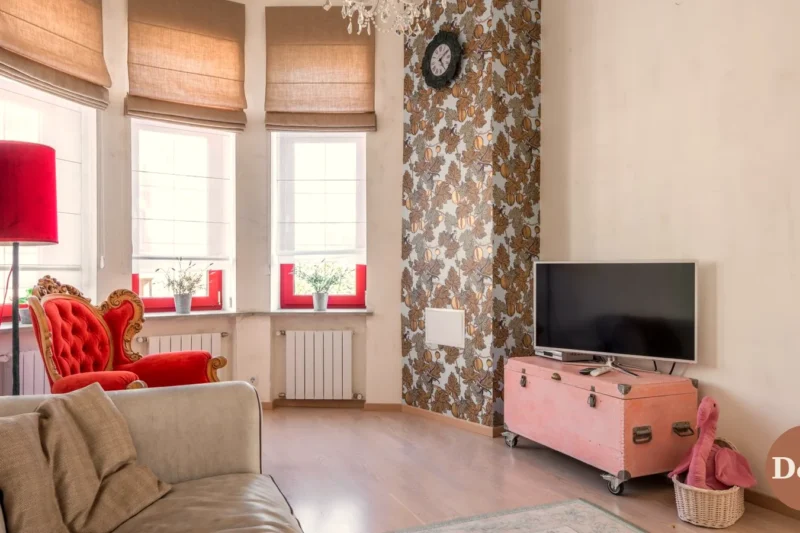
What Is Traditional Interior Design? Timeless Decor Rules, Elements & Ideas

In this article
- Historical Roots: Where Traditional Style Began
- Core Characteristics of Traditional Interior Design
- The 4 Golden Rules of Traditional Decorating
- 1. Master Strict Visual Symmetry and Balance
- 2. Embrace Rich, Grounded Wood Tones
- 3. Layer Sumptuous Textures and Tailored Soft Furnishings
- 4. Create Cohesive Color Harmonies
- Room-by-Room Guide to Traditional Decor
- Traditional Living Room
- Traditional Dining Room
- Traditional Bedroom
- Traditional vs. Modern Traditional (Transitional Style)
- How to Achieve Traditional Interior Design on a Budget
- Frequently Asked Questions About What Is Traditional Interior Design
- What is the difference between classic and traditional interior design?
- Is traditional interior design out of style?
- Can you mix modern furniture with traditional interior design?
- What colors are most common when exploring what is traditional interior design?
- Final Thoughts for Your Dwell & Decor Home

When asking what is traditional interior design in the context of modern living, the style is best understood as a celebration of enduring craftsmanship. Unlike austere minimalist styles that emphasize stark lines and empty space, traditional interior design celebrates curated collections, antique furnishings, and architecture that never feels dated or trendy.
In an era where many homes feel like interchangeable sterile white boxes, homeowners are increasingly asking what is traditional interior design because they crave warmth, historical grounding, and character that modern trends often lack. It is a style designed to feel lived-in, cozy, and stately without being unapproachable.
Historical Roots: Where Traditional Style Began
To fully appreciate what is traditional interior design, it helps to understand its origins. The design philosophy draws heavily from the Golden Age of European and American craftsmanship spanning the 1700s through the late Victorian era:
- 18th-Century English Influences: Master cabinetmakers like Thomas Chippendale, George Hepplewhite, and Thomas Sheraton defined mahogany and walnut furnishings with graceful cabriole legs and serpentine fronts.
- French Neoclassical Salons: Gilded mirrors, ornate boiserie wall paneling, and symmetrical salon seating arrangements brought formal elegance.
- American Colonial Craft: Sturdy cherry dining tables, Windsor spindle chairs, and hand-loomed textiles adapted European elegance for comfortable family estates.
Core Characteristics of Traditional Interior Design
To fully grasp what is traditional interior design in practice, look for these foundational elements that give the style its distinctive heritage feel:
| Design Element | Key Traditional Features | Modern Alternative / Blend |
|---|---|---|
| Architectural Millwork | Elaborate crown molding, picture frame moldings, baseboards, and coffered ceilings. | Clean-profile picture molding painted in contemporary off-white or beige. |
| Furniture Craftsmanship | Carved hardwood frames (mahogany, walnut, cherry), turned legs, claw feet, and tufted chesterfields. | Pairing a classic tufted sofa with a simplified marble-topped coffee table. |
| Color Palette | Warm neutrals (cream, taupe) anchored by rich jewel tones (navy, forest green, burgundy, amber). | Warm monochromatic ivory and greige palettes with muted antique brass accents. |
| Fabrics & Patterns | Damask, paisley, floral chintz, toile, houndstooth, and heavy linen drapes with tassels. | High-performance linen, subtle botanical prints, and soft wool throws. |
| Lighting & Accessories | Crystal or wrought-iron chandeliers, brass candlestick sconces, oil landscape paintings, and porcelain ginger jars. | Fluted glass pendants and unlacquered brass finishes with contemporary LED warmth. |
The 4 Golden Rules of Traditional Decorating
If you want to introduce authentic traditional charm into your home on Dwell & Decor, follow these four timeless decorating principles:
1. Master Strict Visual Symmetry and Balance
Symmetry is the heart of traditional design. Spaces are arranged around a clear architectural focal point—usually a central fireplace, an arched picture window, or a magnificent bedhead. Flank your sofa with matching end tables and identical table lamps. Hang framed art in aligned grid pairs to establish immediate order and tranquility.
2. Embrace Rich, Grounded Wood Tones
While contemporary design often leans toward light Scandinavian oak or blonde pine, understanding what is traditional interior design requires appreciating darker hardwoods. Mahogany, walnut, cherry, and deep stained oak bring historic warmth. As documented in The Metropolitan Museum of Art decorative arts collection, classic European cabinetry relied on rich grain patterns and hand-carved mouldings rather than flat laminates.
3. Layer Sumptuous Textures and Tailored Soft Furnishings
Traditional interiors prioritize tactile luxury. Avoid stiff, synthetic materials in favor of fabrics that invite touch. Floor-to-ceiling drapery panels lined with blackout batting give rooms regal height, while classic rollback arms, deep button-tufting, and tailored slipcovers provide lasting comfort. If you are blending textures, see our guide on how to mix patterns in home decor to master classic motifs.
4. Create Cohesive Color Harmonies
Traditional color schemes are never jarring; they rely on classic color harmonies. Use a warm neutral base (such as Benjamin Moore Swiss Coffee or Sherwin-Williams Alabaster) on walls. Before ordering wall paint, calculate your room’s wall area with our free paint calculator to buy the exact gallons needed.
Room-by-Room Guide to Traditional Decor
Traditional Living Room
When applying what is traditional interior design to a living room, anchor the space with an authentic button-tufted Chesterfield sofa or roll-arm English sofa upholstered in performance velvet or linen. Position two matching wingback chairs opposite the sofa across a carved mahogany coffee table. Add a large vintage Persian or Oushak rug that ties together deep navy, olive, and brick tones.
Traditional Dining Room
A classic oval or rectangular pedestal dining table surrounded by upholstered shield-back chairs forms the centerpiece. Crown the room with an antique brass or crystal chandelier hung 30 to 34 inches above the table surface, framed by a handsome wood buffet sideboard displaying heirloom china.
Traditional Bedroom
Create a cozy sanctuary with a four-poster wooden bed or an upholstered headboard framed by classic picture-frame molding. Dress the bed in crisp percale cotton sheets, a matelassé coverlet, and a down duvet folded at the foot.
Traditional vs. Modern Traditional (Transitional Style)
Many contemporary homeowners love heritage warmth but wonder how traditional design compares to contemporary aesthetics. We break this down in detail in our analysis of modern vs. traditional home decor.
- Pure Traditional: Adheres strictly to historic periods, matching dining sets, heavy ornate fabrics, and formal room divisions.
- Modern Traditional (Transitional): Takes timeless traditional architecture (molding, warm hardwood floors, brass lighting) and pairs it with simplified silhouettes, airy linen sofas, and abstract art pieces.
How to Achieve Traditional Interior Design on a Budget
You do not need an antique dealer’s budget to embrace what is traditional interior design in your own home. Here are four high-impact, wallet-friendly upgrades:
- DIY Picture-Frame Wall Moulding: Inexpensive primed pine or polyurethane base moulding from your local hardware store can be nailed directly onto drywall with simple 45-degree miter cuts, transforming a plain living room wall in a single weekend.
- Thrifted Landscape Artwork: Browse local flea markets and thrift shops for ornate vintage gold-leaf frames and oil landscape paintings. Even inexpensive art prints instantly feel historic when framed behind antique glass.
- Unlacquered Brass Hardware Swaps: Replace sterile chrome or satin nickel cabinet knobs and switch plates with aged antique brass pulls to add instant heritage warmth to kitchens and vanities.
- Layered Velvet and Linen Textiles: Introduce rich velvet throw pillow covers and tailored floor-length linen curtains to infuse luxury texture without replacing large furniture investments.
Frequently Asked Questions About What Is Traditional Interior Design
What is the difference between classic and traditional interior design?
While often used interchangeably, “classic” design generally refers to principles derived from ancient Greek and Roman architecture (columns, geometric symmetry, marble). When evaluating what is traditional interior design, it incorporates European and American styles from the 1700s–1900s, placing greater emphasis on cozy woodwork, upholstered comforts, and domestic warmth.
Is traditional interior design out of style?
Not at all. In fact, traditional design is experiencing a massive resurgence as homeowners move away from cold, cookie-cutter “modern farmhouse” and sterile grey minimalism. People crave spaces that feel grounded, collected, and full of historical character.
Can you mix modern furniture with traditional interior design?
Yes, this is known as transitional or curated eclectic styling. A sleek minimalist coffee table looks stunning resting on an ornate antique Persian rug beneath classic crown molding.
What colors are most common when exploring what is traditional interior design?
Warm ivory, rich cream, taupe, deep navy blue, hunter green, burgundy, and warm amber are the hallmarks of traditional color palettes.
Final Thoughts for Your Dwell & Decor Home
Knowing what is traditional interior design helps you appreciate that trends come and go, but good proportions, quality materials, and visual balance endure forever. Start small by introducing picture molding, an antique accent chair, or warm brass hardware to bring timeless depth into your favorite living spaces.

Evelyn Marlowe is a home decor writer and small-space devotee covering budget-friendly decorating, rental-friendly upgrades, and seasonal styling — always with real prices and practical advice. Her rule: beautiful homes should be livable, not just photographable.
Related Stories
Why Does Agreeable Gray Look Purple? (The Undertone Fix Decorators Use)
How to Mix Patterns in Home Decor: 3-Pattern Formula