Brushed Cotton vs. Flannel Bedding: What Is Different?
In this article
- 1. What is brushed cotton, really?
- 2. What is flannel, really?
- 3. Warmth: which is warmer?
- 4. Feel, pilling, and care
- 5. Which season, which sleeper?
- 6. Which one should you buy?
- Brushed cotton vs flannel: the comparison table
- What it costs: budget bands
- Brushed cotton vs flannel mistakes to avoid
- Frequently asked questions
- Is flannel the same as brushed cotton?
- Which is warmer: flannel or brushed cotton?
- Does flannel pill?
- Is brushed cotton good for summer?
- What GSM should flannel sheets be?
Brushed cotton vs flannel sounds like a choice between two fabrics — it isn’t. Flannel is a soft woven fabric that may be brushed to create extra softness, and brushing is a mechanical process that raises fine fibers to form a nap on one or both sides. In today’s bedding, that means flannel is brushed cotton: the same cotton, brushed harder and usually heavier. The confusion comes from the labels — “brushed cotton”, “flannel”, “flannelette” — which often describe the same fabric. This article sorts out what each word actually means, then compares them on warmth, feel, pilling, and care, so you buy the right one for your winter bed.
1. What is brushed cotton, really?
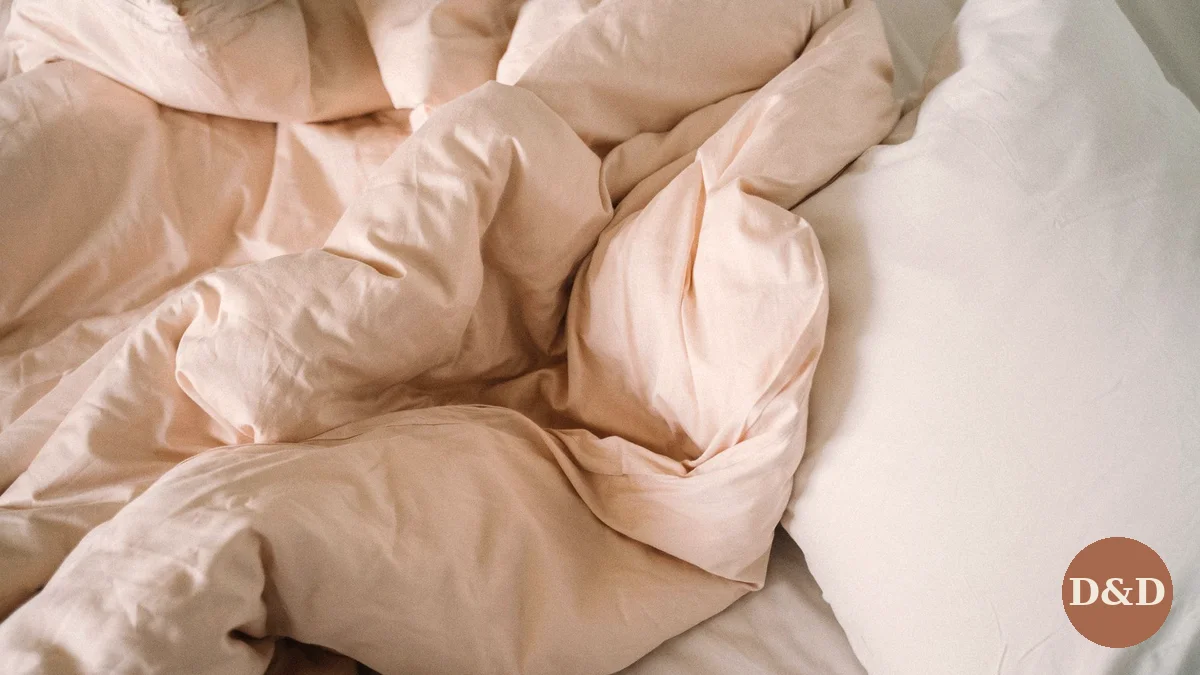
The idea: brushed cotton is a process, not a fiber. Ordinary cotton fabric is passed over fine wire brushes that lift the surface fibers into a soft nap. The photo shows the result: soft, crumpled blush cotton that feels gentle from the first night — though the nap itself is too fine to see in a photo, so don’t look for fuzz here.
How to do it: check the label for two things: 100% cotton, and whether it is single- or double-brushed. Single-brushed (one side) is lighter and more breathable; double-brushed (both sides) is softer and warmer. If the label just says “brushed cotton” with no GSM, treat it as the lighter end.
2. What is flannel, really?
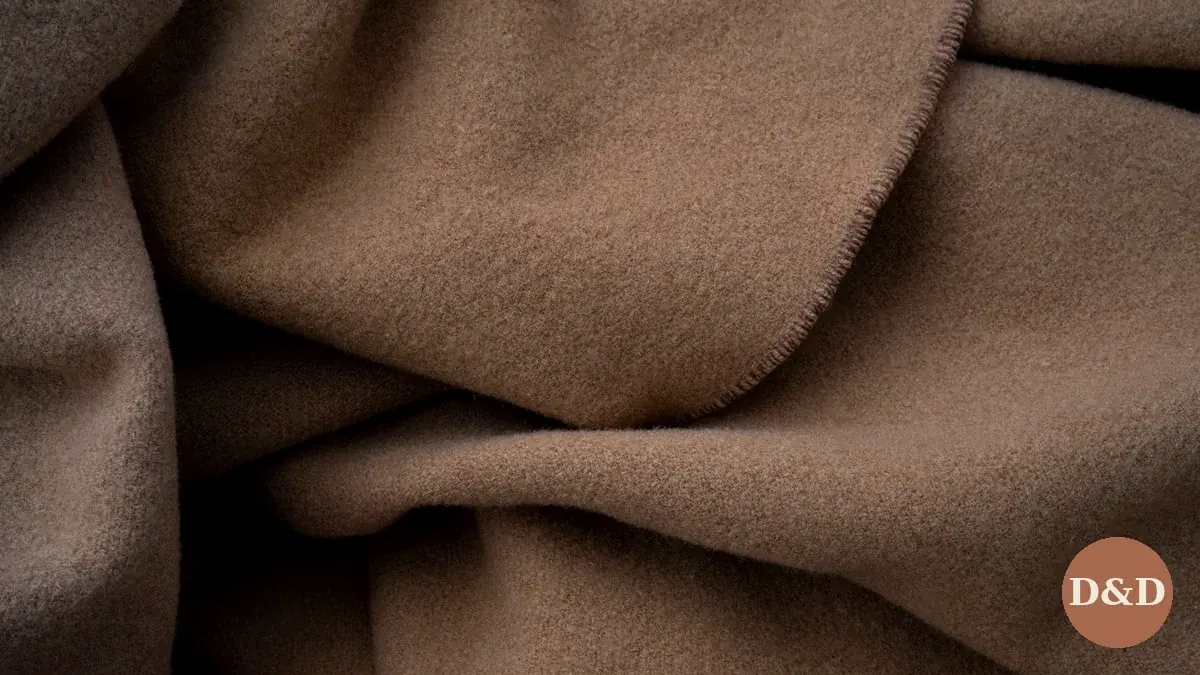
The idea: flannel is brushed fabric taken further. The brown fabric in the photo shows the fuzzy raised nap clearly — that nap traps warm air against your body, which is the whole point of flannel. Traditionally flannel could be wool, cotton, or synthetic; in today’s bedding it is almost always cotton, brushed on both sides.
How to do it: judge flannel by weight, not thread count: around 170 GSM (5 oz) or heavier signals genuine, durable warmth. Below that, “flannel” is often just lightly brushed cotton with a winter name. Flannelette is the British word for the same napped cotton — same fabric, different label.
3. Warmth: which is warmer?
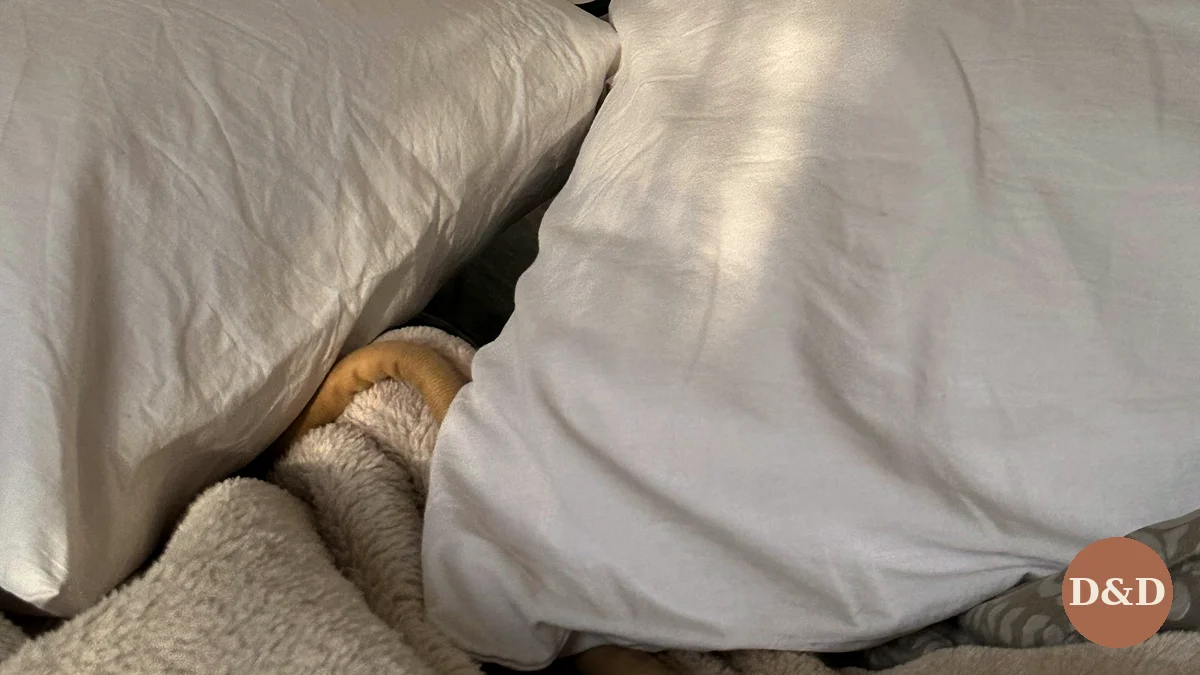
The idea: flannel is warmer — usually. It is brushed on both sides and often heavier, so it traps more air. Brushed cotton is medium-warm: softer than crisp percale, cooler than flannel. The fluffy throw in the photo is the same idea in miniature — loft is warmth.
How to do it: if you sleep cold, go flannel at 170 GSM or heavier. If you sleep warm, or your bedroom stays above 20°C, brushed cotton at 120–150 GSM gives you the softness without the overheating. GSM bands: 120–150 light (summer), 150–180 medium (year-round), 170+ heavy (real winter warmth).
4. Feel, pilling, and care
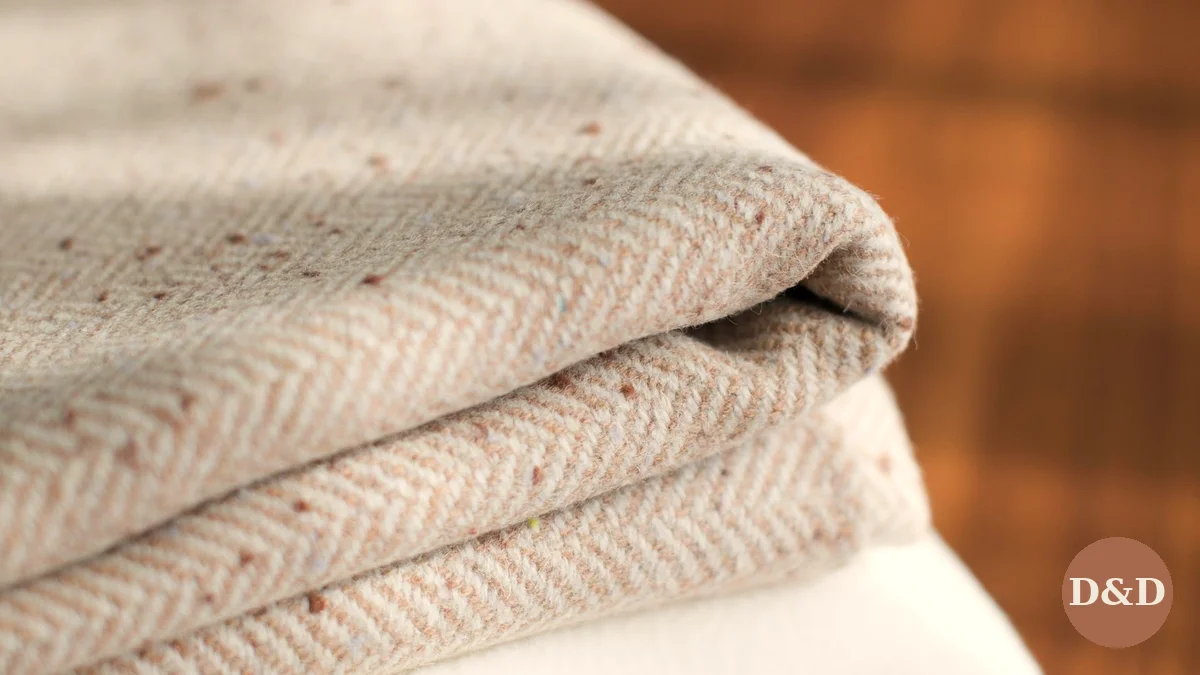
The idea: both feel soft on night one. The difference shows up over months: flannel’s deeper nap pills more — those little bobbles — and needs gentle washing. Brushed cotton pills less but still needs care. The folded blankets in the photo are the right habit: fold, don’t stuff.
How to do it: wash on a gentle cycle, cold or warm (never hot), and skip the fabric softener — it coats the fibers and kills the softness. Dry on low or line-dry; high heat shrinks cotton and roughs the nap. Turn pillowcases inside out to slow pilling, and use a fabric shaver on bobbles instead of picking them.
5. Which season, which sleeper?
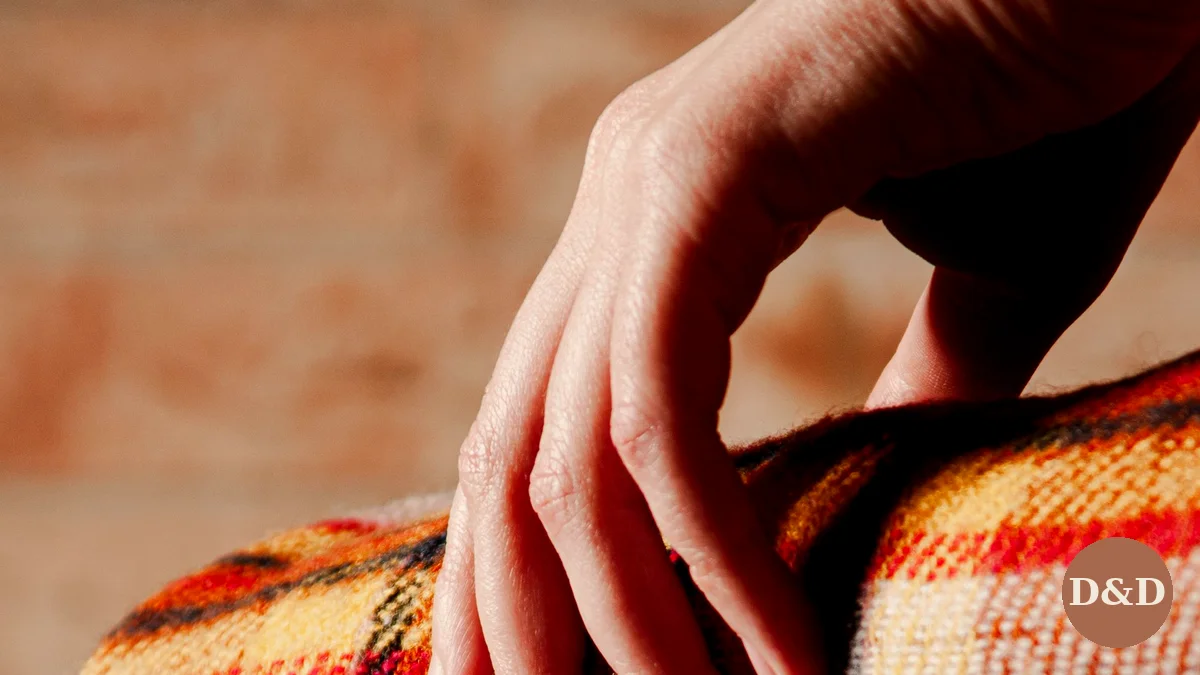
The idea: match the fabric to the season and the sleeper, not the label. The hand on the bold red plaid in the photo is the test that matters: if the fabric feels right on your skin, the name on the packet matters less.
How to do it: cold sleepers and winter rooms: flannel, double-brushed, 170 GSM+. Warm sleepers: brushed cotton, single-brushed, 120–150 GSM. All-year bedrooms: brushed cotton at 150–180 GSM sits in the middle. Kids and sensitive skin: 100% cotton only, no polyester blends hiding behind cozy labels.
6. Which one should you buy?

The idea: buy flannel if your priority is warmth on cold nights. Buy brushed cotton if you want softness without overheating, or a sheet you can use most of the year. The cabin bedroom in the photo is the flannel case: cold room, winter morning, a bed you don’t want to leave.
How to do it: before you pay, check the label in this order: 1) fiber — 100% cotton, no polyester; 2) weight — GSM, not thread count, 170+ for flannel; 3) brushing — double-brushed for warmth, single for breathability; 4) returns — you can’t feel GSM through a screen, so buy from somewhere that takes it back.
Brushed cotton vs flannel: the comparison table
| Brushed cotton | Flannel | |
|---|---|---|
| What it is | Cotton fabric, mechanically brushed | Brushed fabric — usually cotton, sometimes wool or synthetic |
| Brushing | Single or double side | Usually both sides |
| Weight (GSM) | 120–180 | ~170 or heavier |
| Warmth | Medium-high | High |
| Breathability | Good | Moderate |
| Best season | Fall, winter, year-round | Winter |
| Pilling | Less | More |
| Care | Gentle wash, low dry | Gentle wash, low dry, more pilling care |
What it costs: budget bands
Plan by band, not by item — and remember the label matters more than the price:
| Band | What your money buys |
|---|---|
| Under $50 | A brushed cotton pillowcase set or a throw — the cheapest way to test the feel |
| $50–$100 | A full brushed cotton or light flannel set in 100% cotton |
| $100+ | A heavy double-brushed flannel set, 170 GSM+, from a brand with easy returns |
Start at the bottom band if you have never slept in brushed cotton. One pillowcase tells you whether you like the feel — and whether you sleep hot in it — before you buy the whole set.
Brushed cotton vs flannel mistakes to avoid
Trusting the name instead of the label. “Flannel” on the packet doesn’t guarantee 170 GSM or 100% cotton. Read the fiber and the weight.
Judging by thread count. Flannel quality is GSM, not thread count. A high thread count on a flannel label tells you almost nothing.
Buying flannel for a warm room. It sleeps hot; you’ll wake up sweaty. Warm room, light brushed cotton.
Hot wash and high dry. Shrinks cotton and roughs the nap. Gentle cycle, low dry, always.
Picking pills instead of shaving them. Picking pulls more fibers out. A fabric shaver is a few dollars and fixes the whole set.
Frequently asked questions
Is flannel the same as brushed cotton?
Almost. Flannel is brushed fabric — in today’s bedding, almost always cotton that has been brushed, usually on both sides and heavier. Brushed cotton is the wider term: any cotton that has been brushed, lightly or heavily. So all flannel bedding is brushed cotton, but not all brushed cotton is flannel.
Which is warmer: flannel or brushed cotton?
Flannel, usually — it is brushed on both sides and often heavier (170 GSM+). Single-brushed cotton is medium-warm with better breathability, making it suitable for year-round use.
Does flannel pill?
Yes, more than brushed cotton — the deeper nap bobbles over time. Gentle washing and a fabric shaver keep it under control.
Is brushed cotton good for summer?
Light brushed cotton (120–150 GSM) works for cool summer nights, but for hot rooms a crisp percale or linen sleeps cooler. Flannel is a winter fabric.
What GSM should flannel sheets be?
Around 170 GSM (5 oz) or heavier for genuine warmth. Below that, you are mostly buying the name.
If you want the same cozy feeling in the whole room, see our dark academia bedroom and our quiet luxury bedroom — both pair well with winter bedding. For the living room, our dark and cozy living room ideas use the same warm-light trick.

Evelyn Marlowe is a home decor writer and small-space devotee covering budget-friendly decorating, rental-friendly upgrades, and seasonal styling — always with real prices and practical advice. Her rule: beautiful homes should be livable, not just photographable.
Related Stories

How to Choose the Right Rug for a Small Living Room

Amazon Home Decor Finds Under $50 That Look High-End