Japandi Interior Design: 7 Calm Rules for Small Homes
In this article
- What Is Japandi Interior Design?
- The 7 Rules of Japandi Style
- Low Furniture, Open Floors
- Warm Neutrals and Natural Textures
- Light and Plants Do the Decorating
- Handmade Objects, Visible Imperfection
- Japandi in a Small Home
- Japandi Bedroom in One Weekend
- Japandi on a Budget: A Simple Spend Plan
- Mistakes That Turn Calm Into Empty
- Frequently Asked Questions
- What is Japandi interior design?
- What are the 7 rules of Japandi home style?
- Is Japandi still in style in 2026?
- What is wabi-sabi vs Japandi?
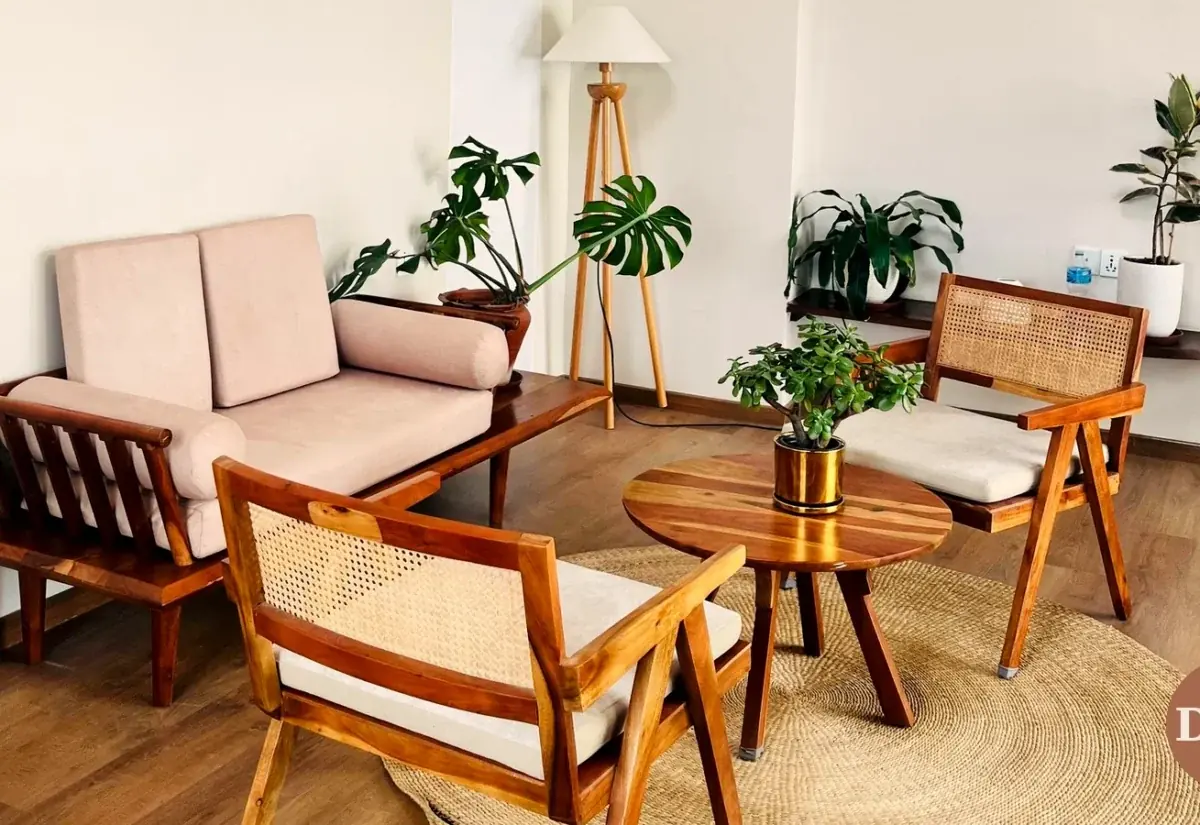
Quick answer: Japandi interior design blends Japanese calm with Scandinavian warmth: low wooden furniture, warm neutral colors, natural materials, and a few handmade objects — with plenty of empty space on purpose. Start with the 7 rules below, and you can shift a room toward Japandi in a weekend without buying a whole new set of furniture.
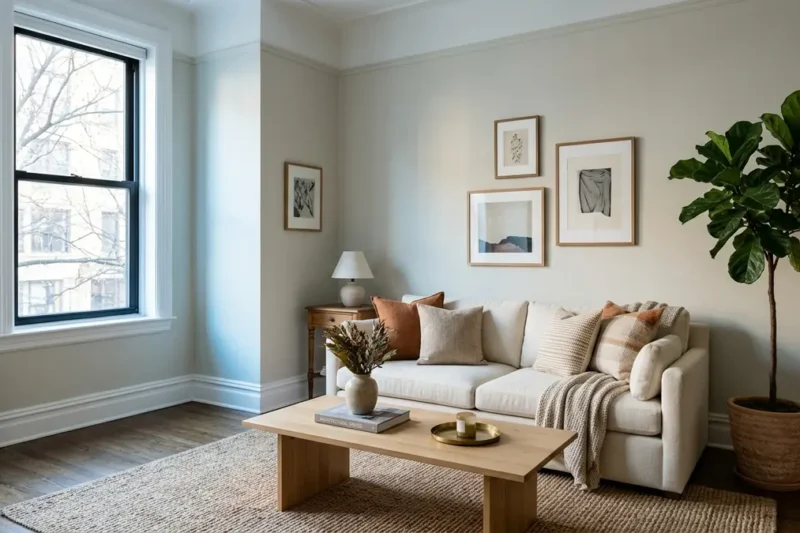
A calm Japandi living room in warm neutrals.
What Is Japandi Interior Design?
Japandi interior design is a style that blends Japanese aesthetics with Scandinavian design. The name is a blend of “Japan” and “Scandi” and came into use around 2016, though the meeting of the two traditions is much older — you can see it in ceramics, architecture, and classic Danish furniture.
It draws on two philosophies. From Japan comes wabi-sabi, the idea that beauty lives in imperfection, simplicity, and things that age honestly. From Scandinavia comes hygge, the Danish habit of building comfort out of warm light, soft textures, and rooms you want to sit in. Japandi is not half one and half the other — it is the overlap between them.
The idea: a pared-back color palette (off-white, beige, soft gray), natural materials such as wood, bamboo, paper, stone, linen, and clay, low-profile furniture, and generous natural light. Nothing shouts. Everything earns its place.
The 7 Rules of Japandi Style
- Keep furniture low. Low-profile sofas, coffee tables, and beds make a room feel grounded and calm.
- Stick to warm neutrals. Off-white, beige, clay, and soft gray — with one muted accent like sage or dusty green at most.
- Choose natural materials. Wood, linen, paper, stone, bamboo, and ceramics you can name by touch.
- Leave empty space on purpose. An empty wall or bare floor is not unfinished — it is part of the design.
- Pick handmade over perfect. A slightly uneven ceramic bowl beats a flawless factory set.
- Let light and plants decorate. Daylight first, warm lamps second, and one or two healthy plants.
- Buy less, buy better. One well-made wooden piece beats five decorative objects.
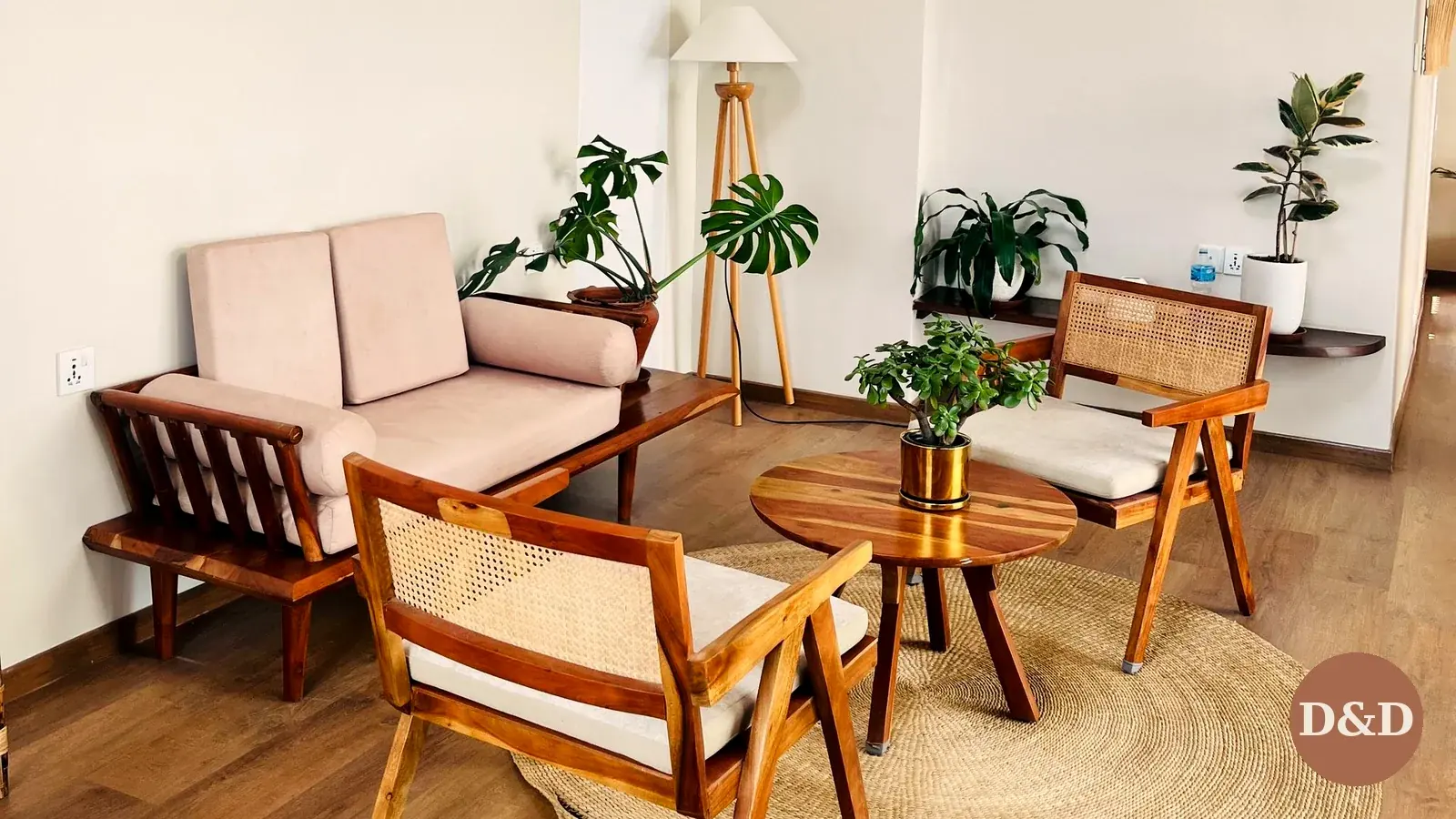
Low wooden furniture keeps the room grounded and calm.
Low Furniture, Open Floors
The idea: low furniture lowers the visual line of the room, so ceilings feel higher and the space feels calmer. Japanese rooms have used low seating for centuries; Scandinavian rooms add the comfort layer on top.
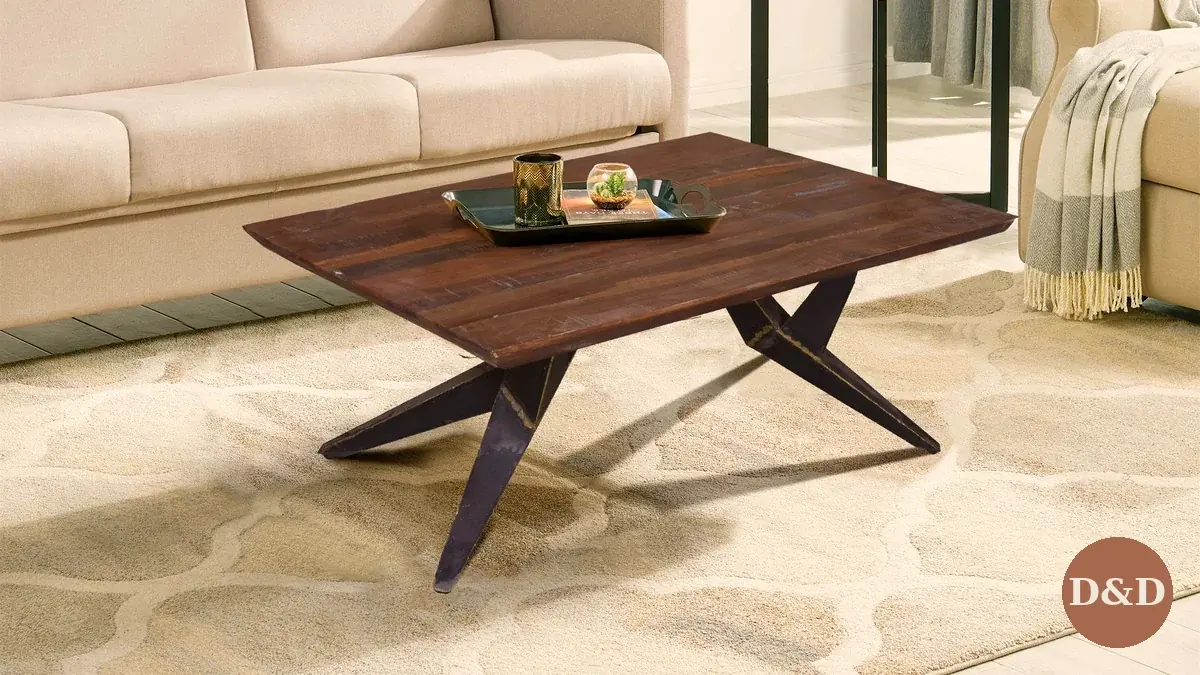
How to do it: start with the biggest piece. If your sofa sits high on tall legs, swap it for a lower frame or remove the legs if the design allows. Choose a coffee table that sits below sofa-seat height. Keep the floor visible — no skirted furniture hiding the floor line, and no rug so large it swallows the room.

Soft textures in beige and cream warm up a minimal room.
Warm Neutrals and Natural Textures
The idea: Japandi color is warm, never stark. Pure white walls can feel cold; off-white, beige, and soft gray feel calm and let natural light do the work.
How to do it: pick three neutrals and repeat them: a wall color (off-white or warm beige), a wood tone (light oak or walnut), and a textile (linen or cotton in cream). Add texture instead of color — a woven throw, a linen cushion cover, a jute rug. If you want one accent, keep it muted: sage green, clay, or dusty blue, in one or two objects only.
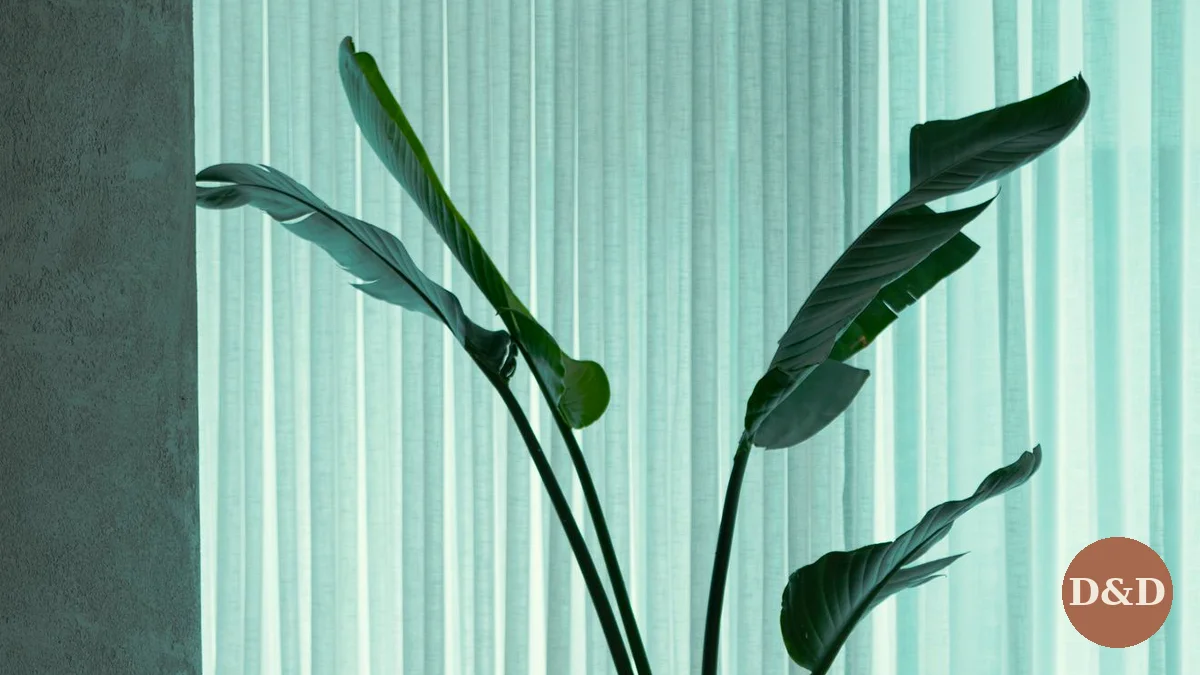
Natural light and one healthy plant do more than a shelf of decor.
Light and Plants Do the Decorating
The idea: in a room with few objects, light and greenery carry the whole look. A Japandi room with bad lighting feels empty; the same room with warm daylight and one plant feels finished.
How to do it: keep windows as clear as you can — linen curtains that filter light instead of blocking it. In the evening, use warm bulbs and paper or fabric lamp shades, not bare white light. Add one statement plant (an olive tree, a fiddle-leaf, or a tall monstera) rather than ten small pots scattered around.
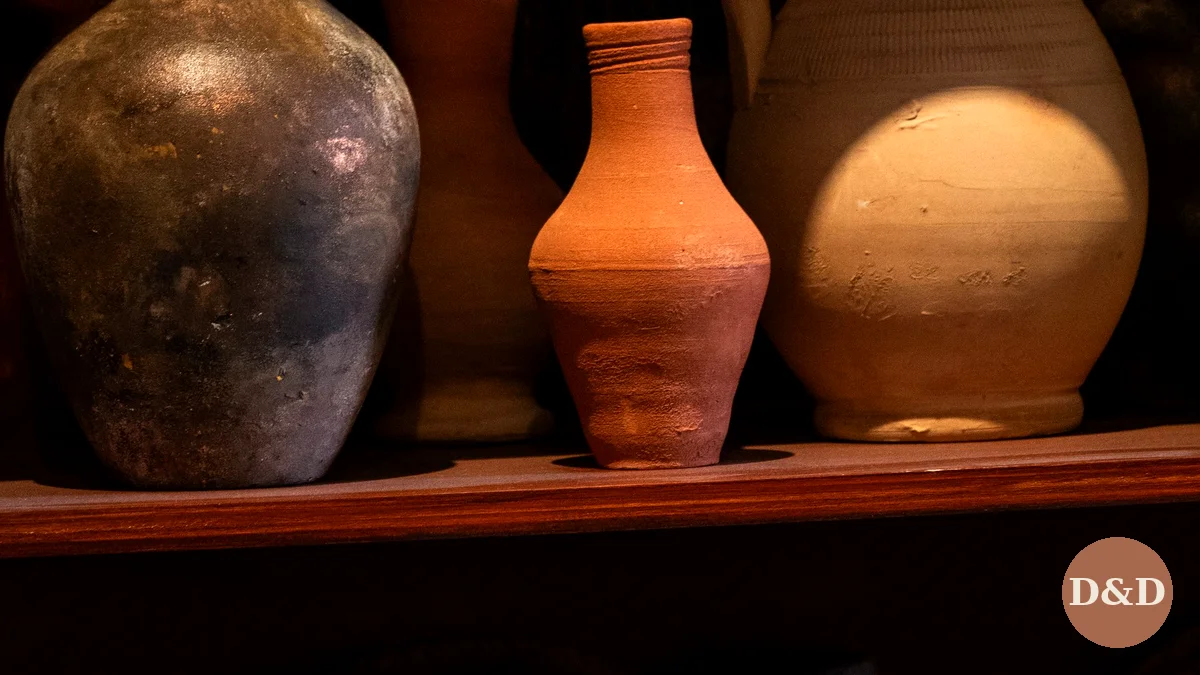
Handmade ceramics with visible imperfection are the heart of wabi-sabi.
Handmade Objects, Visible Imperfection
The idea: wabi-sabi says a thing is more beautiful for being weathered, asymmetrical, and honest about its age. That is why handmade ceramics, rough wood grain, and woven baskets fit Japandi so well — they show the maker’s hand.
How to do it: choose one shelf or one corner for objects, and limit it to three to five pieces: a ceramic vase, a wooden bowl, a stone candle holder. Leave the rest of the surfaces clear. When you buy, prefer one handmade piece over a matching set — the small differences are the point.
Japandi in a Small Home
Small homes are where Japandi works hardest, because the style’s rules are also small-space rules: fewer objects, low furniture, light colors, and nothing blocking the floor. A studio or a small living room does not need to look empty — it needs to look intentional.
How to do it: give every object a home behind a closed door or in a basket, keep one wall completely clear, and let one low wooden piece anchor the room. If you need more ideas for compact rooms, see small living room ideas on a budget and small entryway decor ideas — the same “less, but better” thinking applies.
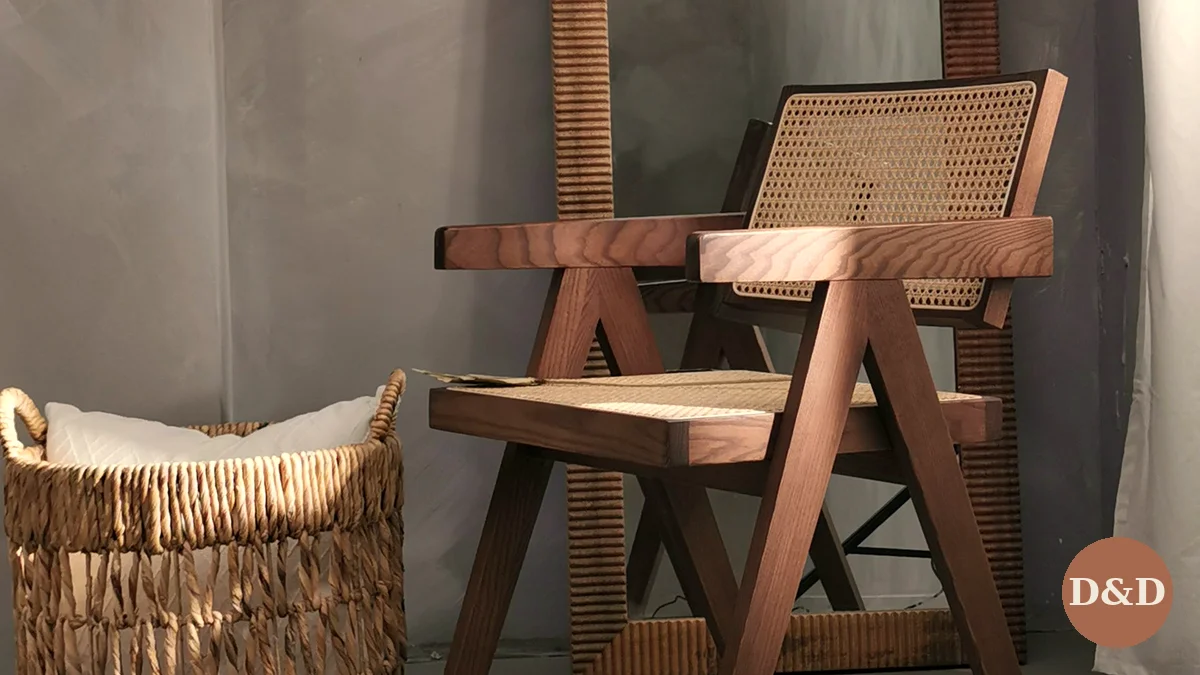
A small Japandi corner proves the style works without a big room.
Japandi Bedroom in One Weekend
The bedroom is the easiest room to convert, because it has the fewest pieces. Strip it back to bed, bedding, light, and one plant — then add back only what you actually use.
How to do it: switch to muted bedding (off-white, beige, or soft gray linen or cotton), add a low wooden bench or stool instead of a chair piled with clothes, and use a paper or fabric bedside lamp for warm evening light. Keep the nightstand to three things: lamp, book, and water. For a warmer take on the same calm, see dark cozy living room ideas — the warmth layer there pairs well with Japandi’s calm base.
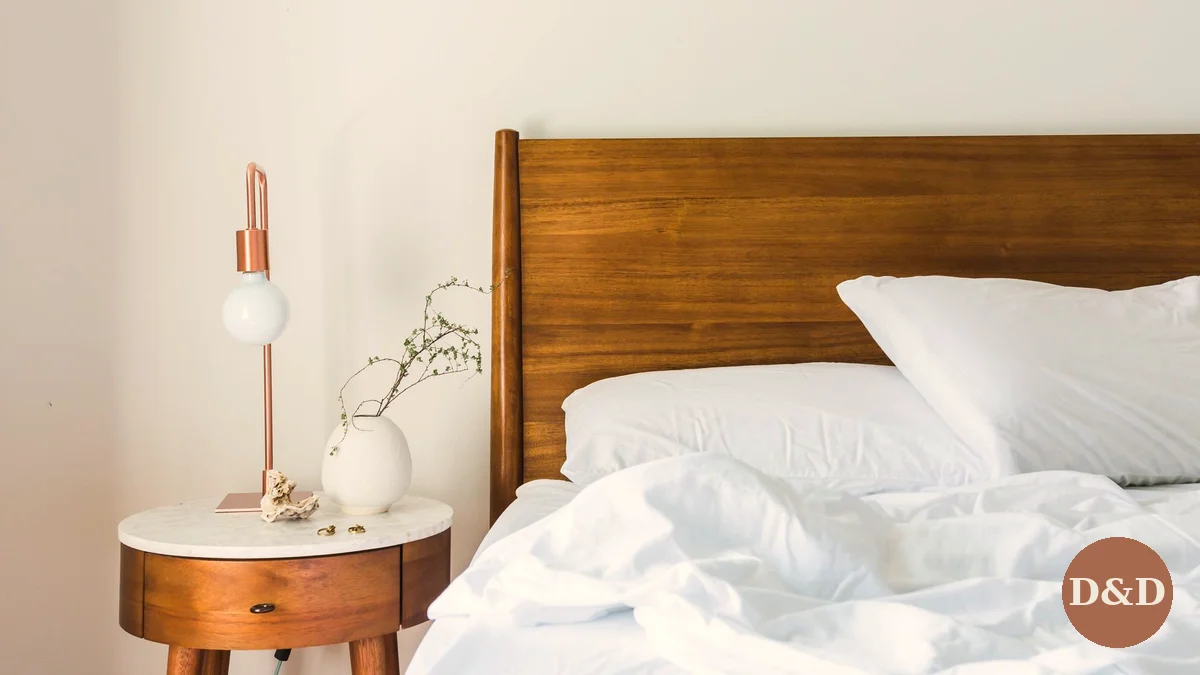
A Japandi bedroom: muted bedding, wood accents, nothing extra.
Japandi on a Budget: A Simple Spend Plan
You do not need to replace everything. Most rooms already have one or two wooden pieces — the shift is mostly editing, textiles, and light. These are planning bands, not store prices: use what you already own first.
| Plan | What it covers | Best for |
|---|---|---|
| Refresh ($0–$100) | Declutter, rearrange, linen pillow covers, one plant | A room that already has wood furniture |
| Room update ($100–$300) | Low coffee table or rug, handmade ceramics, paper lamp | Living room or bedroom |
| Full shift ($300+) | Platform bed frame or sofa swap, wood shelving | A room you are redoing anyway |
Mistakes That Turn Calm Into Empty
- Going all-white and cold. Japandi is warm neutrals, not a white box. Add wood and linen or the room feels like a showroom.
- Matching everything. A full matching set kills wabi-sabi. Mix wood tones and handmade pieces instead.
- Removing all comfort. Calm is not uncomfortable. Keep the soft throw, the good cushion, the warm lamp.
- Clutter creep. The style falls apart when surfaces refill. One clear surface per room, every day, keeps it honest.
Frequently Asked Questions
What is Japandi interior design?
Japandi interior design blends Japanese minimalism with Scandinavian warmth: natural materials, warm neutrals, low furniture, and few, well-chosen objects, shaped by wabi-sabi (beauty in imperfection) and hygge (warmth and contentment).
What are the 7 rules of Japandi home style?
Keep furniture low, stick to warm neutrals, choose natural materials, leave empty space on purpose, pick handmade over perfect, let light and plants decorate, and buy less but better.
Is Japandi still in style in 2026?
Yes — interest in Japandi has been rising again in recent weeks, and its core (natural materials, calm rooms, less clutter) is evergreen rather than a fast trend. It works best as a long-term base style, not a seasonal look.
What is wabi-sabi vs Japandi?
Wabi-sabi is the Japanese philosophy behind one half of Japandi: finding beauty in imperfection, age, and simplicity. Japandi is the full interior style that pairs wabi-sabi with Scandinavian hygge — warmth, light, and comfort.

Evelyn Marlowe is a home decor writer and small-space devotee covering budget-friendly decorating, rental-friendly upgrades, and seasonal styling — always with real prices and practical advice. Her rule: beautiful homes should be livable, not just photographable.
Related Stories

What Is Traditional Interior Design? Timeless Decor Rules, Elements & Ideas
Why Does Agreeable Gray Look Purple? (The Undertone Fix Decorators Use)