
How to Build a Small Bedroom Reading Nook Under $75

In this article
- What You'll Need (The $75 Kit)
- Step 1: Claim Your Corner (15 minutes)
- Step 2: Define the Zone (20 minutes, $10–$15)
- Step 3: Build the Seat (30 minutes, $20–$30)
- Step 4: Layer the Light (15 minutes, $8–$12)
- Step 5: Add Book Storage Within Arm's Reach (20 minutes, $8–$12)
- Step 6: The Side Surface (10 minutes, $0–$15)
- Step 7: Style It Like You Mean It (20 minutes, $0)
- 3 Small Bedroom Reading Nook Styles for Different Tastes
- Small Bedroom Reading Nook Layouts for Awkward Spaces
- Reading Nook Dimensions & Lighting Ergonomics Table
- Outlet-Free Reading Light Hacks for Old Apartments
- Frequently Asked Questions
- How much does it cost to build a reading nook?
- How much space do you need for a reading nook?
- Where should I put a small bedroom reading nook?
- What lighting is best for a reading nook?
- Can I build a reading nook in a rental?
You don’t need a spare room for a small bedroom reading nook — you need 3×3 feet, a weekend afternoon, and about $75. This guide builds a cozy small bedroom reading nook in 7 steps, from picking the corner to the final styling. Every step has a budget option, and the whole project is renter-friendly.
By Sunday evening, you’ll have a dedicated spot that pulls you away from screens — and the best seat in the house.
What You’ll Need (The Kit)
| Item | Budget pick | Cost |
|---|---|---|
| Seating | Floor cushion, bean bag, or folded duvet | $20–$30 |
| Light | Clip-on book light or warm fairy lights | $8–$12 |
| Side surface | Small stool, crate, or floating shelf | $0–$15 |
| Textiles | Throw blanket + 1–2 pillows (thrifted) | $10–$15 |
| Book storage | Wall-mounted shelf or basket | $8–$12 |
| Zone marker | Small rug or curtain panel | $10–$15 |
| Total | ~$56–$99 |
Already own blankets and pillows? You’re halfway there for $30.
Step 1: Claim Your Corner (15 minutes)
Walk your bedroom and find 3×3 feet that’s currently dead space: beside the bed, under a window, the far side of a door swing, or a closet you don’t use. The best small bedroom reading nook corners have one wall (to lean on) and proximity to an outlet or window. Measure it — 36 inches square fits one person comfortably; 48 inches fits a chair.
Budget tip: this step is free. The most common mistake is skipping it and buying furniture first — claim the space, then shop to fit it.
Step 2: Define the Zone (20 minutes, –)
A nook without boundaries becomes “that pile of pillows.” Lay a small rug (2×3 ft is enough, $10–$15 thrifted) or hang a curtain panel from a tension rod to visually carve the corner out of the room. This psychological boundary is what makes the brain treat it as a destination, not clutter.
Renter-friendly: yes — rugs and tension rods leave no trace.
Step 3: Build the Seat (30 minutes, –)
Comfort is non-negotiable — an uncomfortable nook becomes decoration. Your options by budget:
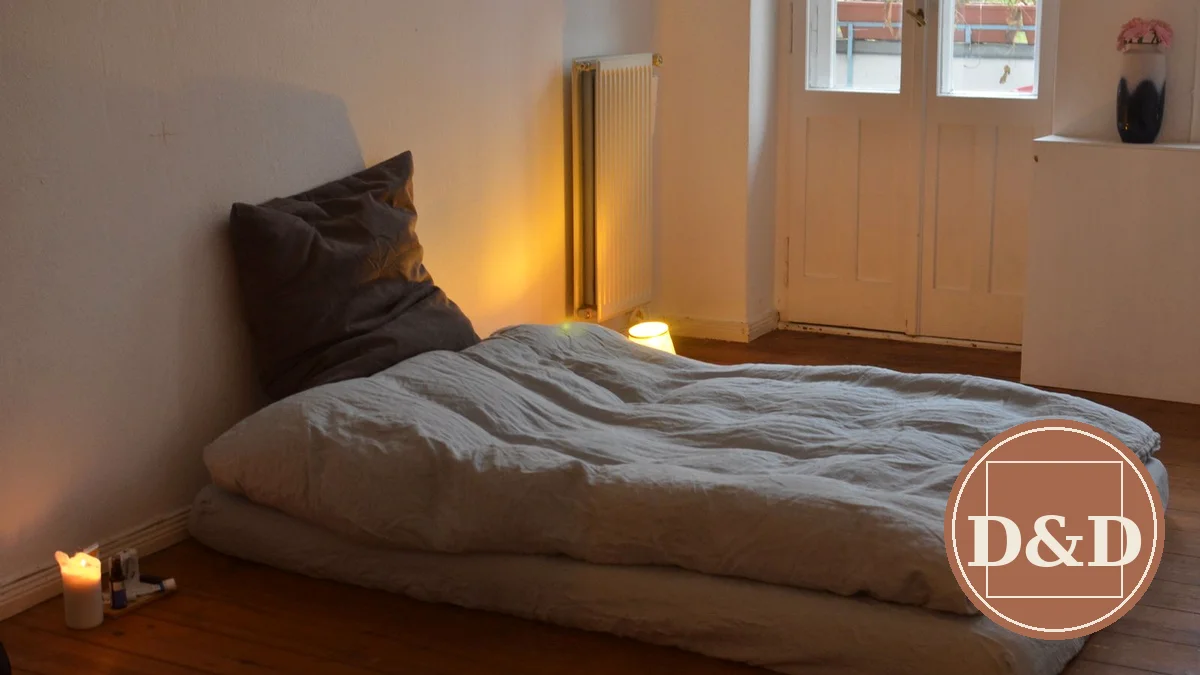
- $0: Fold a spare duvet into a thick floor pad + existing pillows. Genuinely comfortable for an hour.
- $20–$30: A floor cushion, papasan-style pad, or thrifted armchair. Check Marketplace — reading chairs are a common giveaway.
- $40+: A small accent chair if your corner fits 24+ inches. Only if the space allows; don’t cram.
Test-sit for 20 minutes before committing. If your back complains, add a lumbar pillow — $8 fixes most seat complaints.
Step 4: Layer the Light (15 minutes, –)
Reading light needs to hit the page, not your eyes. Two layers work best:
- Task light: A $8–$12 clip-on book light (rechargeable, warm white). Clips to a shelf, headboard, or the book itself.
- Ambient: $10 warm-white fairy lights draped along the wall or shelf. They make the nook glow at night — the “magic” layer.
Avoid cool-white bulbs here; 2700K warm light is easier on eyes and signals “relax” to your brain. Renter-friendly: yes.
Step 5: Add Book Storage Within Arm’s Reach (20 minutes, –)
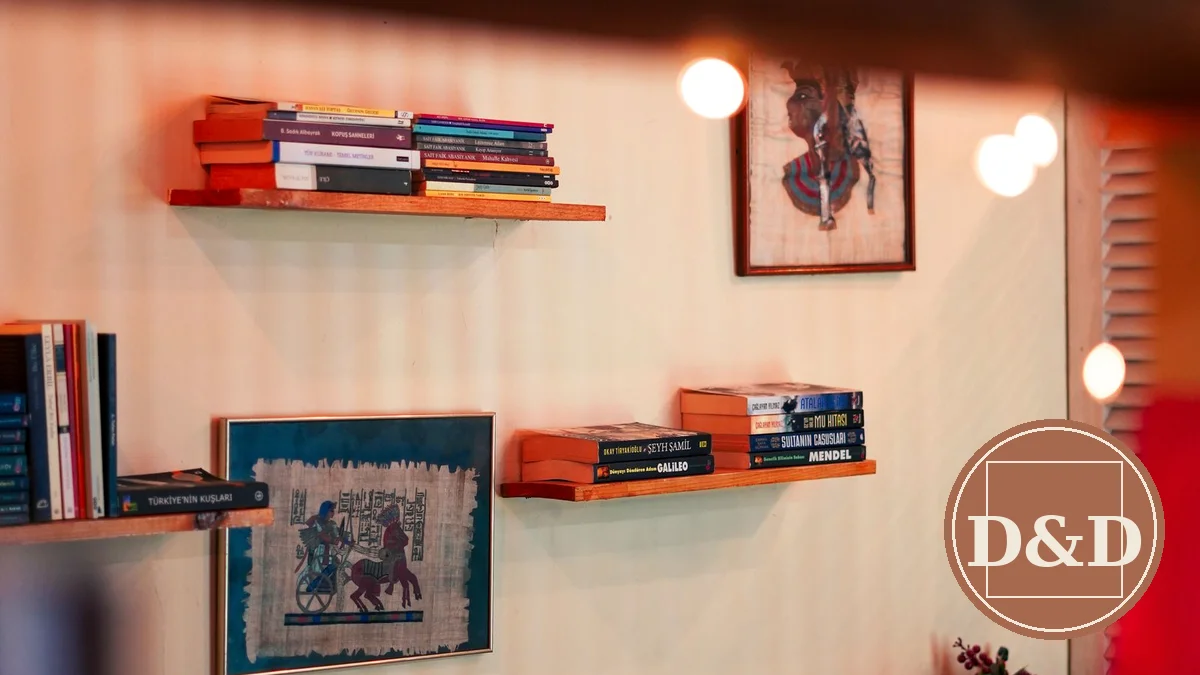
A nook without books is just a chair. Mount one floating shelf ($8–$12) at seated eye level — about 40 inches from the floor — or place a small basket beside the seat. The rule: current reads within arm’s reach, no getting up. A stack of 5–8 books is plenty; rotate monthly from your main shelf.
Step 6: The Side Surface (10 minutes,
Step 6: The Side Surface (10 minutes, $0–$15)
–)
Tea, glasses, phone — readers accumulate things. A small stool, wooden crate, or $10–$15 floating shelf beside the seat holds it all. This tiny surface is the difference between a nook you use and one where you’re always getting up. If space is truly zero, a $8 armrest caddy works.
Step 7: Style It Like You Mean It (20 minutes,
Step 7: Style It Like You Mean It (20 minutes, $0)
)
The final layer is free: one throw blanket draped with intention, a small plant or framed print, and removing one thing that doesn’t belong. Style with restraint — three objects max on the side surface. Then sit down with a book. You’ve earned it.

3 Small Bedroom Reading Nook Styles for Different Tastes
Built the base? Pick a style direction:
- The Minimalist: White/cream textiles, one plant, hidden storage. Nothing that isn’t functional. Best for tiny rooms where visual calm matters.
- The Cozy Cave: Dark throw, warm fairy lights, floor-level seating, curtain partially drawn. Maximum hygge; best for winter readers.
- The Scholar: Dark wood tones, brass clip light, stacked books as decor, a small globe or map. Best if your nook doubles as a study corner.
Small Bedroom Reading Nook Layouts for Awkward Spaces
- Under a window: The classic. Natural light by day, fairy lights by night. Add a cushion on the sill if it’s deep enough.
- Dead closet: Remove the doors (store them), and a 2-foot-deep closet becomes a perfect enclosed nook. The most “room-like” option.
- Bedside nook: No floor space? Build it on the bed — a backrest pillow, clip light, and bedside shelf turn half the bed into a reading zone.
- Behind the door: The wall behind an open door is invisible dead space. A floor cushion there is hidden when the door’s closed, revealed when open.
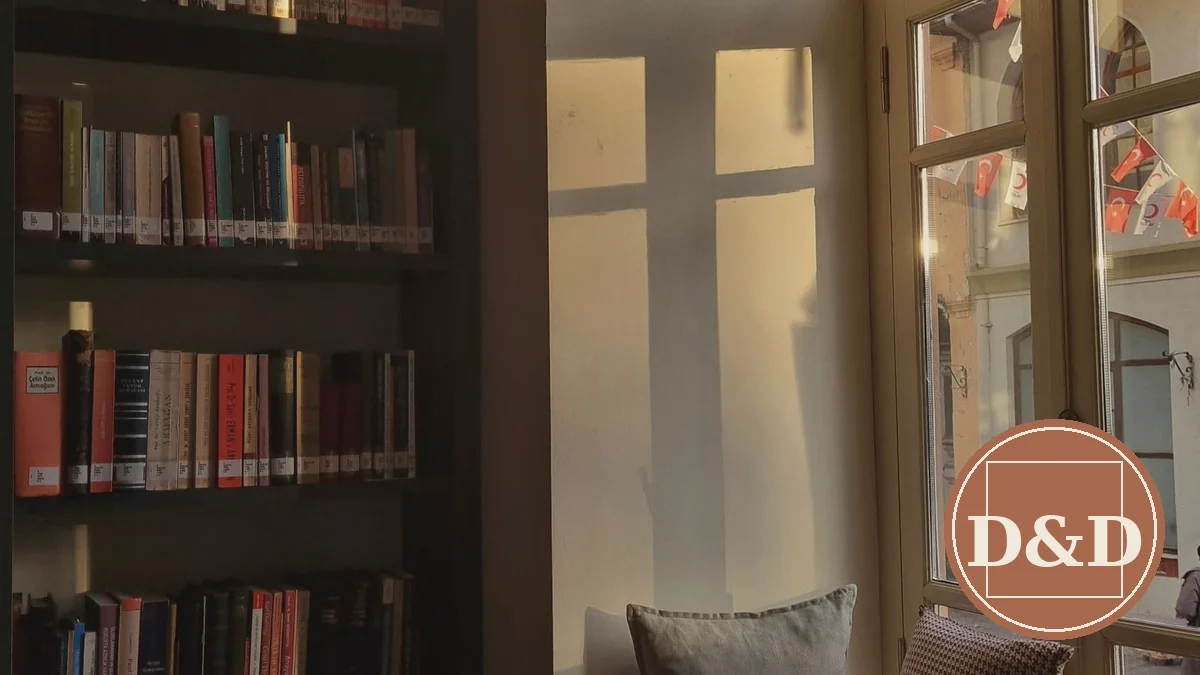
Reading Nook Dimensions & Lighting Ergonomics Table
Before dragging an armchair into a bedroom corner, measure the floor area and wall swing clearance. Even compact accent chairs need elbow room and low-glare reading illumination to feel genuinely comfortable after 9:00 p.m.:
| Corner Size | Best Seat Choice | Minimum Floor Clearance | Recommended Lamp & Bulb Spec |
|---|---|---|---|
| Tiny corner (30″×30″) | Round floor pouf + wall pillows or armless slipper chair | 24″ clear walkway beside bed frame | Clip-on or plug-in swing sconce (2700K, 450–600 lumens) |
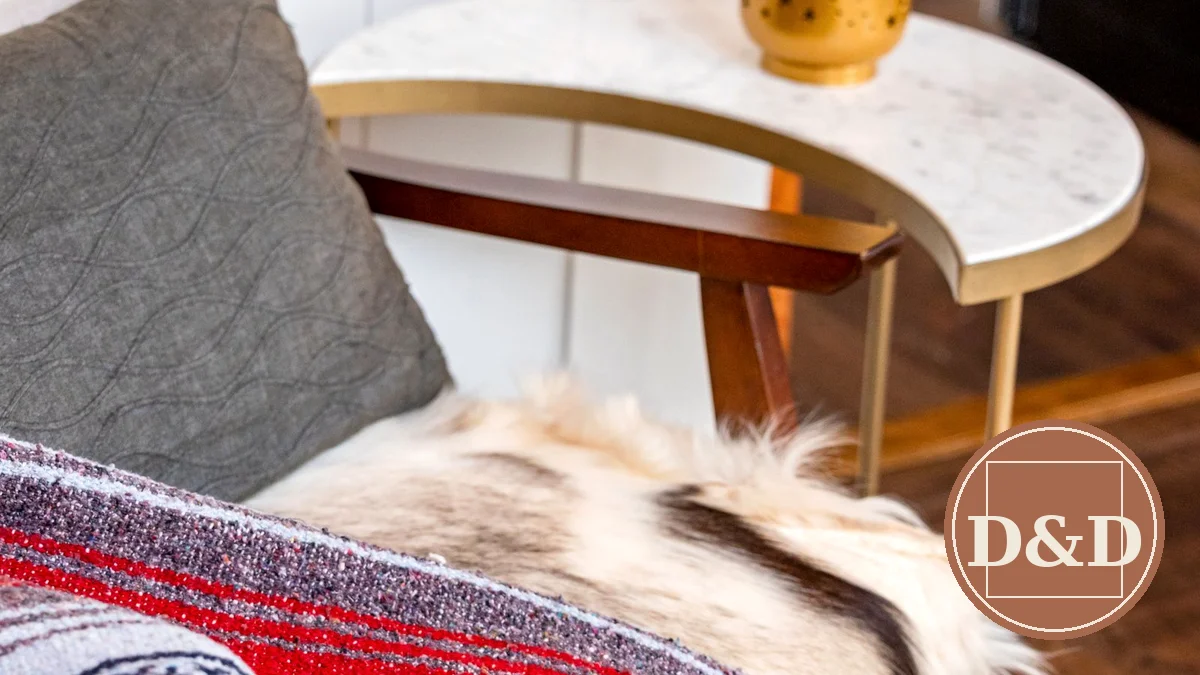
| Medium corner (36″×40″) | Compact barrel or curved wooden lounge chair (26″–29″ wide) | 14″ gap for tiny pedestal drink table | Floor task lamp standing 58″–62″ tall beside shoulder |
| Window alcove (42″+ wide) | Storage bench cushion + angled corner bookcase | 30″ legroom out from radiator or sill | Warm table lamp on 18″ side stool at eye-line height |
Outlet-Free Reading Light Hacks for Old Apartments
Many older bedrooms lack an electrical outlet near the quietest corner. Instead of draping an unsightly orange extension cord across the carpet, use a cordless rechargeable brass picture light or magnetic battery sconce ($22–$30), or route a fabric-covered white cord tight along the baseboard quarter-round with tiny clear adhesive cable clips right back to the nightstand outlet.
Frequently Asked Questions
How much does it cost to build a reading nook?
$56–$99 for a complete nook using budget picks: seating ($20–$30), lighting ($8–$12), textiles ($10–$15), book storage ($8–$12), and a rug ($10–$15). Using items you already own (blankets, pillows, crates), it can cost under $30.
How much space do you need for a reading nook?
36×36 inches (3×3 feet) fits one person comfortably on floor cushions. A chair-based nook needs about 48×48 inches. The key is one wall to lean against and an arm’s-reach surface — not square footage.
Where should I put a small bedroom reading nook?
Claim dead space: beside the bed, under a window, behind the door swing, or inside an unused closet. Proximity to an outlet (for lights) or a window (for daylight) matters more than centrality.
What lighting is best for a reading nook?
Two layers: a warm-white (2700K) clip-on task light aimed at the page, plus ambient fairy lights for atmosphere. Avoid overhead room lighting — it’s too harsh for sustained reading and kills the cozy feel.
Can I build a reading nook in a rental?
Yes — every step here is renter-friendly: rugs, tension rods, floor cushions, clip lights, adhesive shelves. Nothing requires drilling or permanent changes. The whole nook packs into two bags when you move.
FTC Disclosure: This article contains no sponsored content and no affiliate links. Prices reflect typical US retail estimates and vary by store and region.
Related: a nook pairs perfectly with better bedroom storage — see our small bedroom ideas.
Related: Love calm, uncluttered textures in your reading corner? Explore our Japandi interior design guide and see which cozy bedding wins winter reading nights in brushed cotton vs. flannel.

Evelyn Marlowe is a home decor writer and small-space devotee covering budget-friendly decorating, rental-friendly upgrades, and seasonal styling — always with real prices and practical advice. Her rule: beautiful homes should be livable, not just photographable.
Related Stories
Brushed Cotton vs. Flannel Bedding: What Is Different?
Dark Academia Bedroom: 6 Moody, Bookish Ideas
